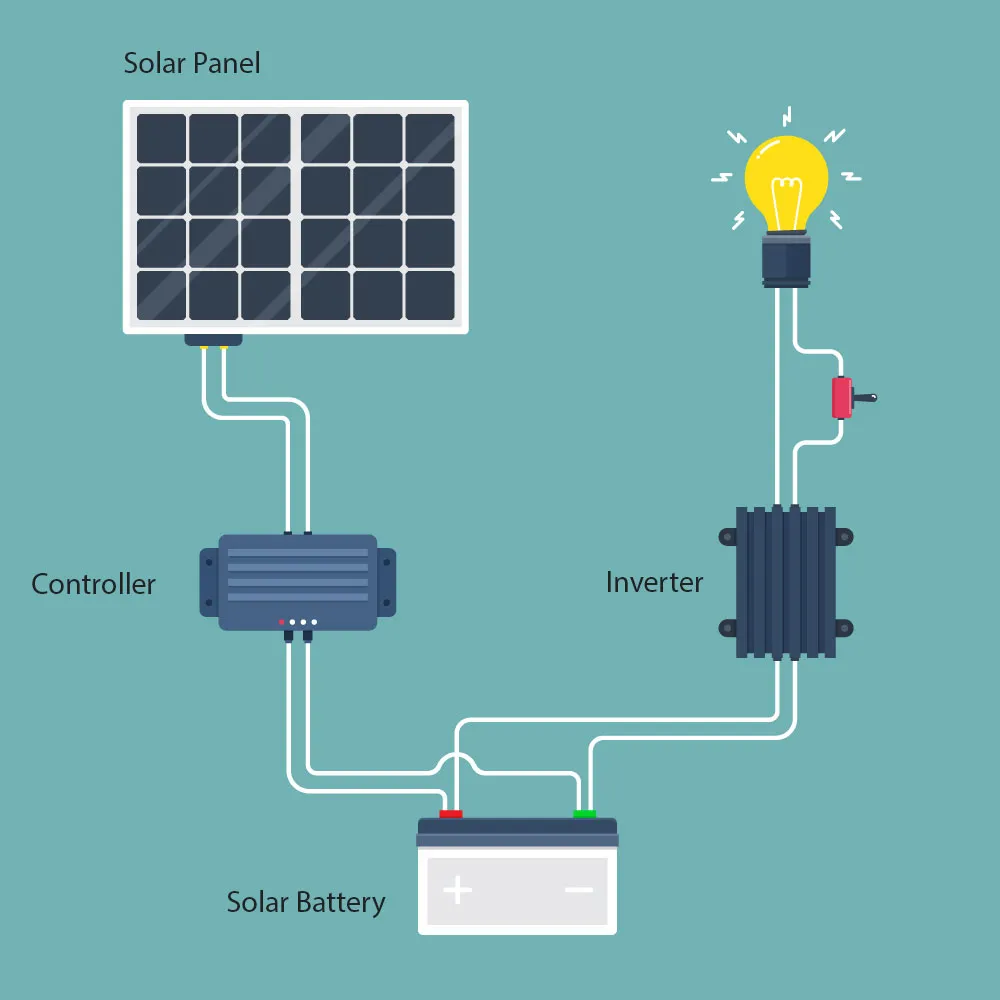
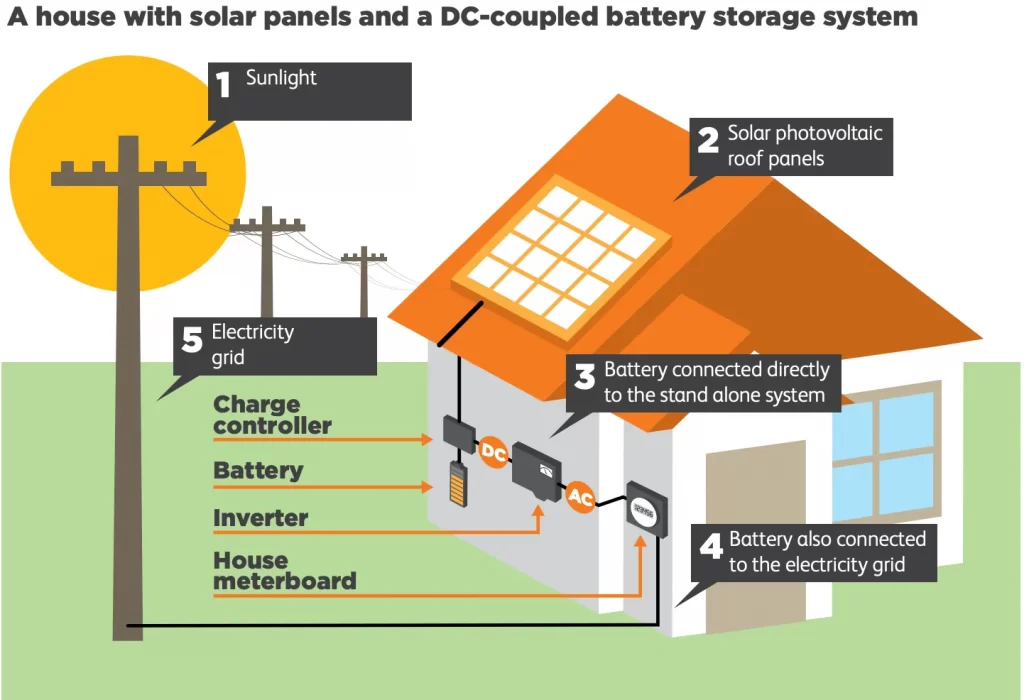
Solar Battery
Battery storage uses a chemical process to store electrical energy, which can then be used at a later time.
For example, a solar powered torch stores electrochemical energy during the daylight hours that can be used to provide light at night. In practice, battery storage systems can operate in a number of different ways. It is important to discuss your needs with your Clean Energy Council Accredited Designer when choosing a system.

Benefits of Solar Battery
- Be part of a micro-grid
- Reduce your exposure to future electricity price rises
- Save money by storing energy from the grid overnight when prices are low to use during peak times when prices are high (depending on your power agreement)
- Offset the increased cost of power used during peak times
- Maximise your solar panels by allowing you to capture solar energy that would normally be sent to the grid and save it for your own usage later in the day
- Help reduce your reliance on electricity from the grid
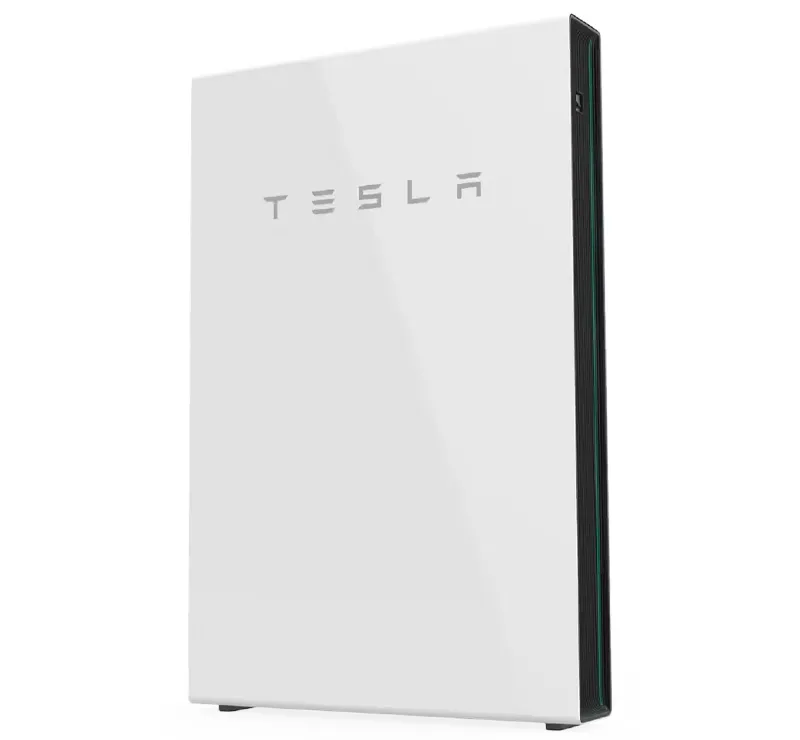
Tesla Powerwall 2
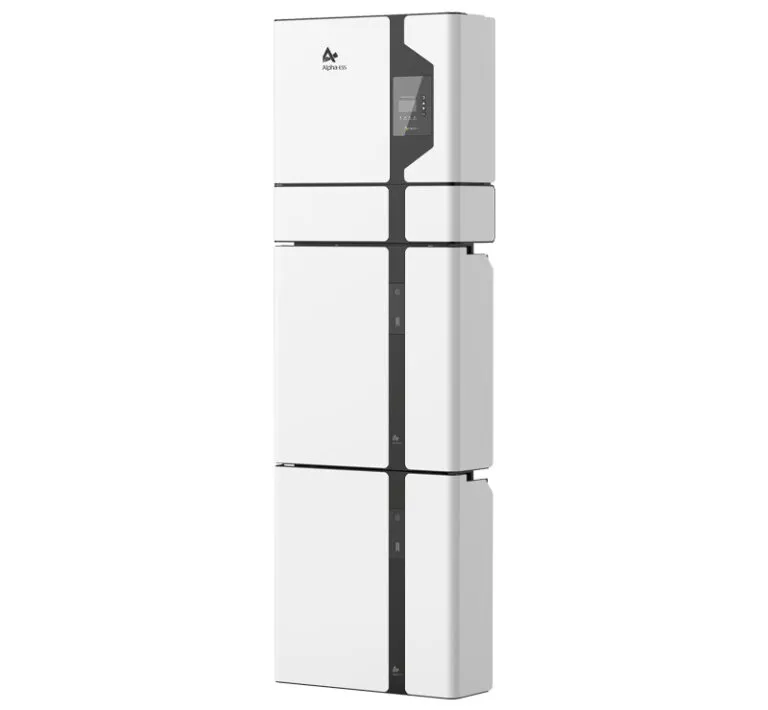
AlphaESS
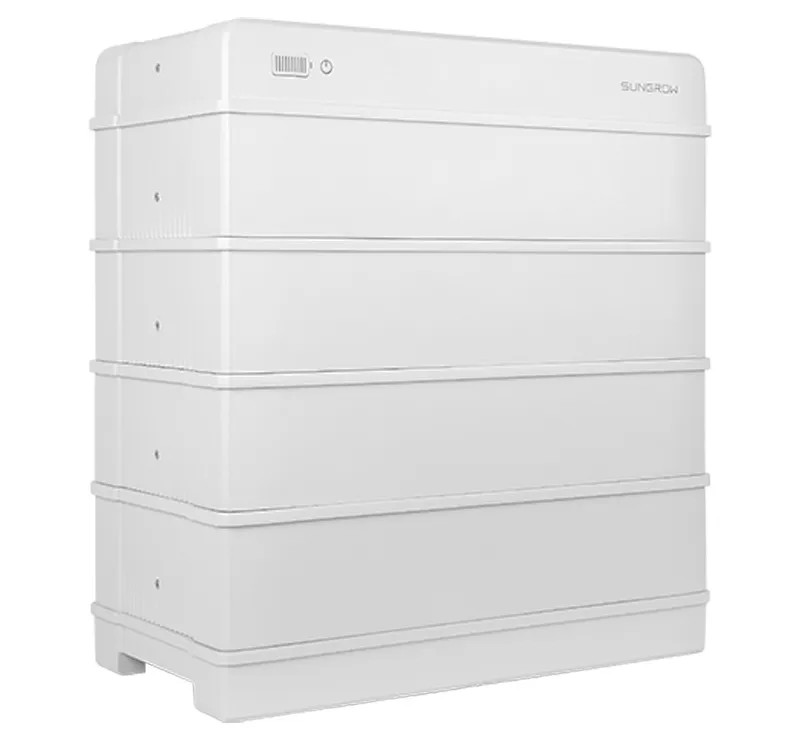
Sungrow - SBR096/128/160/192/ 224/256
Batteries FAQs
Typically battery capacity is expressed in kilowatt hours (kWh), similar to the way your electricity is charged on your bill. Some battery manufacturers express their capacity in ampere hours (Ah). If this is the case, speak with your designer to get this converted to kWh.
The battery capacity quoted by the manufacturer is an ‘ideal’ number that is useful for comparing batteries. Some manufacturers promote their battery capacity based on the total capacity, for example 10 kWh. But all battery storage systems have what is called depth of discharge (DoD). This is how much of the total capacity can be used.
The majority of battery storage systems cannot have 100 per cent of the total energy drawn out of the battery. DoD is expressed as a percentage of the total capacity. If a 10 kWh battery has a DoD of 80 per cent, it will provide 8 kWh of usable energy. It is important to compare batteries based on their usable energy, not on the total capacity.
Lithium-ion battery systems typically have a depth of discharge of 80 per cent and above. Lead-acid battery systems typically have a depth of discharge of 30–50 per cent.
Some battery storage systems can be wall mounted, others are floor standing and some are best located inside, while others should be installed outside. You may also choose to install multiple batteries to increase your storage capacity, in which case you will need extra storage space.
Lead-acid batteries tend to be physically larger than lithium batteries and are usually installed outside or in a utility room (e.g. garage or basement) as they vent hydrogen when charged. Some batteries (usually lithium batteries) are designed to be wall mounted inside a utility room, which helps control their temperature.
If your battery is designed to be installed outside, it will come with a weatherproof enclosure, though you will still need to find a suitable place to install it. This will need to include access for electrical wiring, consider flooding/splashing of the enclosure, preferably be out of direct sunlight and not be adjacent to heat or ignition sources.
Batteries cannot be installed in a habitable room, such as a living room or bedroom. However, if you want to install a battery in a non-habitable room, such as a garage, you may need to consider ventilation.
These are all factors to consider when you talk to a Clean Energy Council Accredited Designer.
Not all battery storage systems provide backup power. Some will work during a blackout, and some may operate following a brief power outage. If you need your battery storage system to operate during a blackout, make sure you discuss this with your system designer and choose an appropriate product. If you want an uninterrupted supply of electricity, you’ll need to install an uninterruptible power supply (UPS) battery storage system. As UPS battery storage systems are typically larger and more complex to install, they will cost more than other systems.
If your battery is charged during a blackout, it may be able to supply power to your home. However, you might not be able to run as many appliances as normal, depending on the rating of your battery storage system. You may also want to conserve power for important appliances like your fridge.
Some battery storage systems can power your whole house in a blackout, or some may have a power point that you can plug appliances into. Alternatively, your installer may need to wire specific appliances so you can use them in a blackout. It’s important to discuss your needs with your designer to make sure your system meets all of your needs.